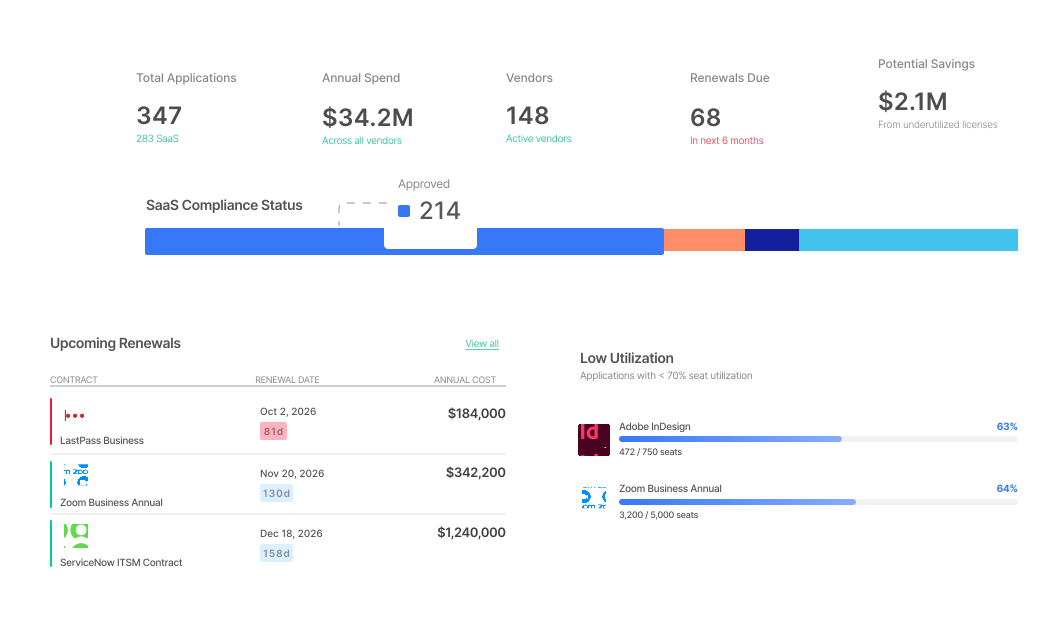
Oomnitza reconciles entitlement, deployment, and usage, so software spend stays predictable and defensible.

One trusted license position for every app you own.
Software portfolios in the most demanding enterprises run on Oomnitza.








Govern software as part of one
connected asset estate.
Oomnitza turns scattered software into clear decisions: what to keep, what to reclaim, what is coming due.

Trusted asset data
Match every entitlement against real deployment and usage, so the license position is defensible.

Governed lifecycle
Right-size licenses and update access on every hire, transfer, and exit, automatically.

Defensible decisions
Back every audit and renewal with proof on hand, so decisions stand up to any vendor.


SOLUTIONS BY TEAM
One trusted view of hardware, wherever the work happens.
IT OPERATIONS
Run software as a system, not a stack of tickets.
IT Operations pays for bad software data in duplicate apps, stranded licenses, and access tickets that never close. Oomnitza keeps every license current, so the team spends its time on the work, not the cleanup.
SECURITY
Close the access gaps that turn into incidents.
Security teams close software exposure faster when every entitlement maps to a current identity. Oomnitza ties each license and app to the person behind it, so access risks surface before they become incidents.
FINANCE & PROCUREMENT
Forecast spend, recover value, and eliminate waste.
Every asset tied to an owner, a cost center, and a lifecycle stage. When the record reflects reality, budgets forecast accurately, purchases build on what’s already owned, and recoverable value isn’t written off.

Feed every downstream
system data it can trust.
Accurate license and app data flows to the tools your teams already use, so every workflow starts from the same truth.

End the manual license
audit.
Entitlement, deployment, and usage stay reconciled continuously, so you are never rebuilding the picture by hand.

Have the right apps ready
on day one.
Provisioning fires the moment HR creates the record, so new hires start with the access they need and nothing they don’t.

Find unsupported
software still in use.
End-of-life and out-of-support versions surface automatically, so security knows what to retire or upgrade first.

Deprovision access before
the laptop is even returned.
SaaS access and licenses are reclaimed straight from the HR event, with no ticket in between.

Catch shadow SaaS the
moment it appears.
Unsanctioned apps holding company data are flagged as they appear, so nothing sensitive slips into an ungoverned tool.

Plan software spend
from actual usage.
Model renewals, seat demand, and reclaimable licenses against the budget cycle, so spend reflects what’s used, not last year’s contract.

Enter renewals with the
upper hand.
Usage, deployment, and contract history are ready before the vendor’s first proposal, so you negotiate from evidence.

Turn wasted licenses back
into budget.
Unused seats and ghost subscriptions surface continuously, ready to reassign or cancel instead of renew.
CUSTOMER STORY
From eleven disconnected systems to one source of truth.
 |
|
| “Looking at assigned licenses and active logins in one simple chart is really powerful in helping us save money and time.”
– Director, Corporate Services, Leading Global Financial Analytics Firm
|
|
$150,000Recovered from idle and underused licenses. |
3 SecondsTo find software installed on a device, down from 20 minutes |
| READ FULL STORY | |
INTEGRATIONS
Connect every system that holds a
piece of your hardware truth.
Every system that touches your hardware estate — procurement, identity, HR, endpoints, and finance — are connected and continuously reconciled.









RELATED SOLUTIONS
Unlock faster audits, lower spend, and tighter security
across the business.
|
|
|
| EXPLORE THE SOLUTION | EXPLORE THE SOLUTION |
|
|
|
| EXPLORE THE SOLUTION | EXPLORE THE SOLUTION |


Frequently Asked Questions
What is software asset management?
Software asset management is the practice of tracking and governing an organization’s software across its full lifecycle, from purchase and entitlement through deployment, usage, renewal, and retirement. It reconciles what you are entitled to against what is actually installed and used, so licensing decisions rest on evidence rather than best guesses.
What is the difference between software asset management and SaaS management?
Software asset management governs your licensing and compliance position across your software, including installed and on-premise applications that carry entitlement terms and audit exposure. SaaS management focuses on cloud-subscribed applications: discovering them, tracking adoption, and managing subscriptions and renewals. Oomnitza brings both under one platform, so a subscribed app and a licensed installation sit in the same picture.
How does Oomnitza give us a clear license position for each application?
Oomnitza pulls entitlement from your contracts and purchasing records, deployment from your endpoint and application inventory, and usage from sign-in and activity data, then reconciles the three into a trusted license position for each application and publisher. Where you are over-licensed or out of compliance, the gap is visible, so you can act before a renewal or an audit forces the question.
Does Oomnitza manage both installed software and SaaS applications?
Yes. Oomnitza accounts for installed and on-premise software alongside SaaS subscriptions, so your license position covers what runs on devices and what runs in the browser. Each application ties back to the people using it, the devices running it, and the contract behind it.
Where does Oomnitza get its license, deployment, and usage data?
Data flows in from the systems you already run: procurement and finance for entitlements and cost, endpoint and identity systems for deployment and access, and SSO and application logs for usage. Oomnitza connects through 1,500+ connectors across 190+ systems, and its SaaS coverage is agentless, so there is nothing to install on a device to see what software is in use.
How does Oomnitza help us prepare for a publisher audit?
Because entitlement, deployment, and usage are already reconciled, the evidence a publisher asks for is on hand rather than assembled under deadline. You walk into a true-up conversation able to show what you own and what you use, which turns an audit from a scramble into a defensible position.
Can Oomnitza help us reclaim unused licenses and lower software costs?
Yes. Oomnitza continuously surfaces idle seats and redundant subscriptions, and you can configure workflows to reclaim or cancel them instead of carrying the cost into the next term. Recovered licenses go back into the pool, so new requests draw down what you already own before anything new is bought.
How does Oomnitza change the way we approach renewals?
Renewals stop being a deadline you react to. Usage, deployment, and contract history are ready ahead of the vendor’s first proposal, so you can right-size the renewal to real demand and negotiate from evidence rather than from last term’s numbers.
Can Oomnitza surface unsanctioned or shadow SaaS?
Oomnitza brings applications into view from finance, expense, and identity data, so subscriptions bought outside of IT show up alongside the ones you manage. From there you can bring each app under governance, consolidate overlap, or retire it.
How do software asset management and hardware asset management work together in Oomnitza?
They run on the same platform and the same asset data, so a laptop and the software installed on it are governed together, with shared ownership, cost, and lifecycle. When someone changes role or leaves, the event that recovers the device can also reclaim the software, so nothing keeps costing you after it stops being used.
Explore more insights.
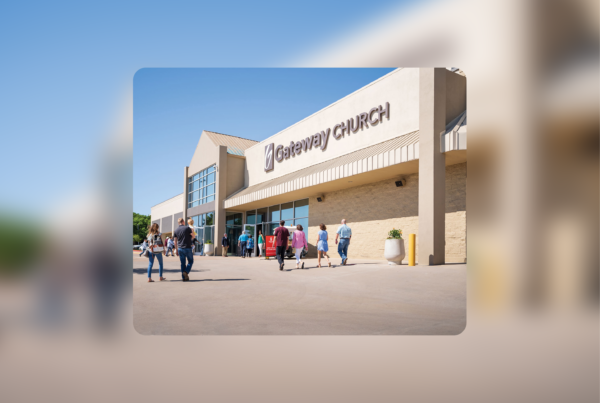
CUSTOMER SUCCESS STORY: GATEWAY CHURCH asset data accuracy, up from 50%down from one week, to support leadership questions and audit prepcampuses supported Gateway Church was quickly growing their ministries, scaling…
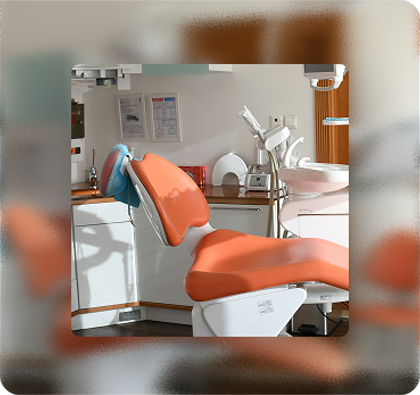
PDS HEALTH CUSTOMER STORY Cost Savings Managing AssetsHours Saved Per MonthMore Assets Discovered PDS Health wanted to elevate their asset management strategy for increased visibility and control. By improving their…

Broadband Communications Provider Customer Story A leading broadband communications provider was struggling to manage IT assets and budgets effectively due to unreliable inventory data and challenges in reclaiming devices from…

DOCKER CUSTOMER STORY minutes, down from 4 hours,
to automate onboarding for new employeesasset data accuracy for SOC 2 audit, with full confidence they’ll passfull-time IT employee saved
due to automated integrations…
Trust the data behind every
software decision.
Connect with our team to learn how Oomnitza makes it possible.